The City Botanic Gardens offers a range of sights and attractions across its 49 acres to provide an amazing greenscape in the Brisbane CBD district. Visitors will find there’s plenty to see in addition to relaxing and getting some fresh air, with the most prominent points of interest including:
Main Rotunda — With its location at the main entrance, the Main Rotunda has long been one of the most iconic sights of the gardens. As of October 2021, the rotunda is part of a renewal project by the council that will see the old information kiosk above the amenities block removed and replaced with a paved lookout area.
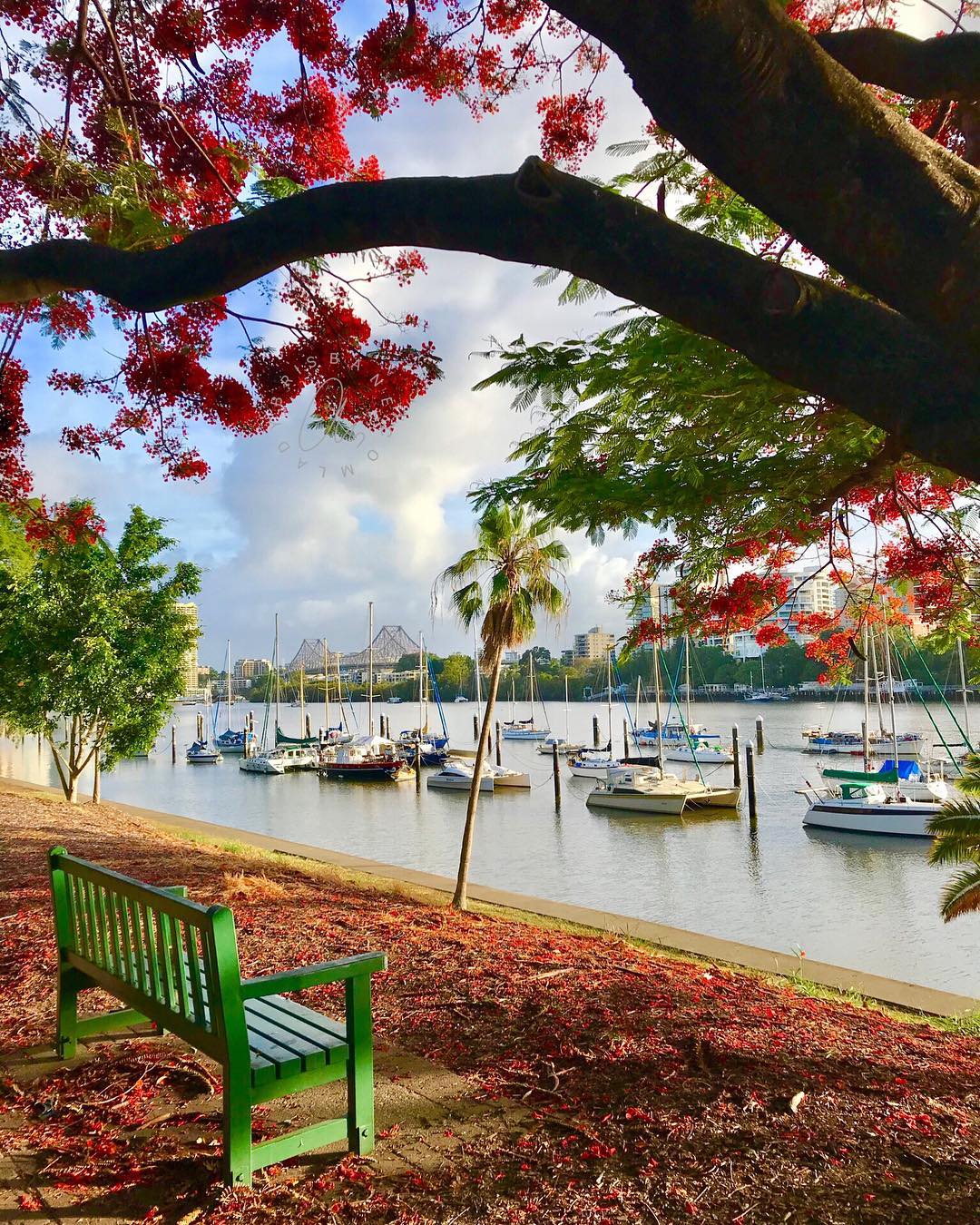
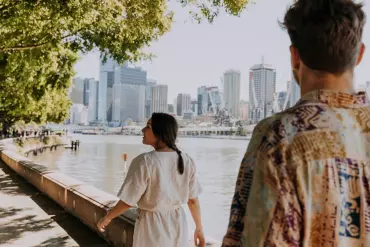
Riverwalk and River Hub — Extending from the City Reach Boardwalk at the corner of Alice and Edward Street to the garden’s Bunya Walk, the City Botanic Gardens Riverwalk offers a viewing platform, river hub connection and the opportunity to catch river breezes and views of Howard Smith Wharves and the Kangaroo Point Cliffs.
Bamboo Grove — A collection of 23 bamboo species that was planned in commemoration of the previous collection lost when the Fern Island attraction was drained and filled in 1937, Bamboo Grove is a stunning walk among towering bamboos that will quickly make you forget you’re in the heart of the Queensland capital.
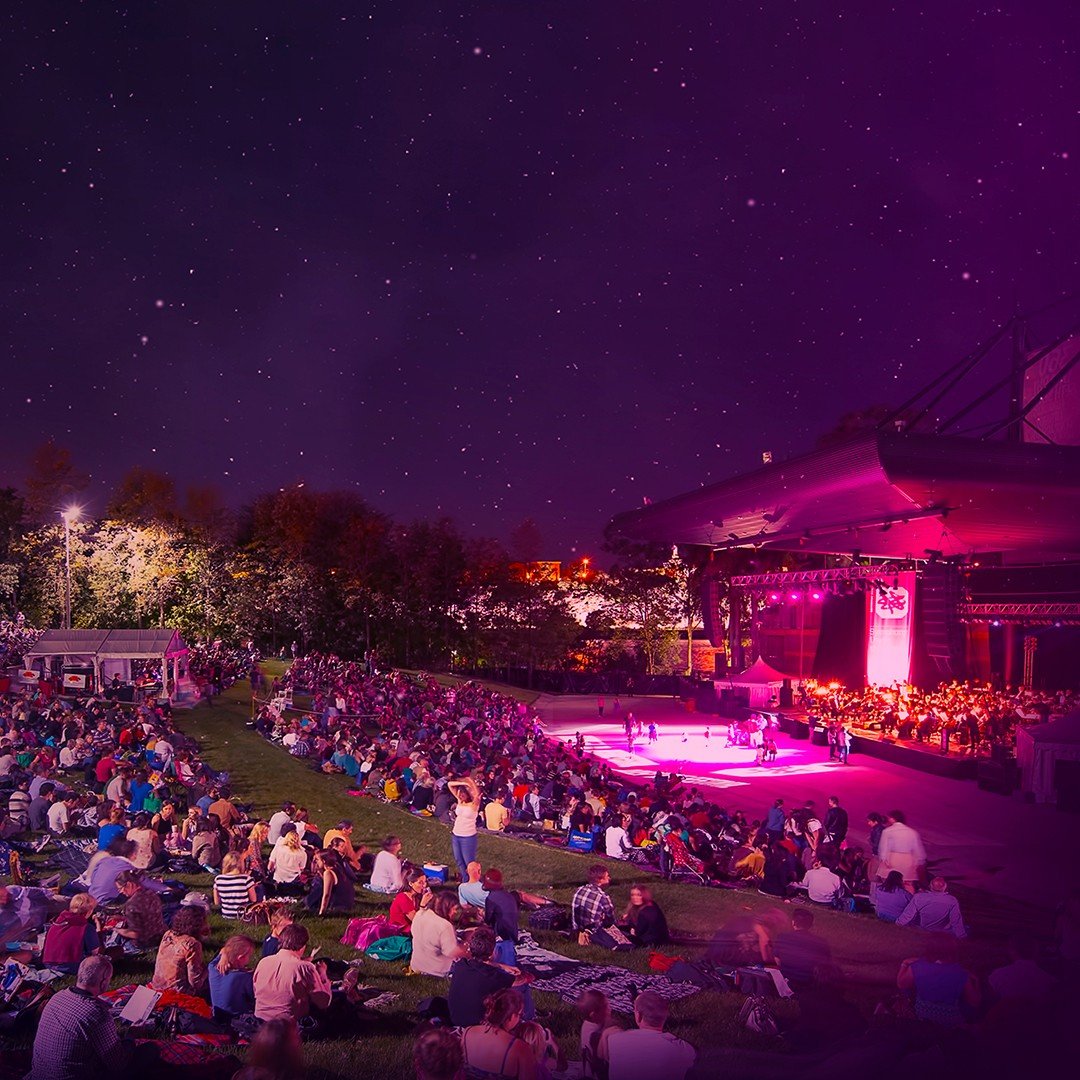
Riverstage — Host to countless local, national and international concerts and events since its opening in 1989, the 9,500 capacity Riverstage was inspired by the World Expo '88 Riverstage. Along with an impressive array of music concerts, the Riverstage hosts family and community events, including the annual Carols by Candlelight.
Walter Hill Fountain — Built in 1867, the Walter Hill Fountain was Brisbane’s first drinking fountain and remained in use until 1930 when bubble fountains were first installed in the gardens. The iconic and ornate water fountain was named in remembrance of the botanic garden’s first curator, Walter Hill, in 1972.
Weeping Fig Avenue — Planted in the 1870s to create a barrier between Queen’s Park and the garden’s northern boundary, Weeping Fig Avenue is a significant feature of the gardens that provides much-needed shade on hot Brisbane days and connects pedestrians from the main entry path at Alice Street to the riverside.
Jemmy Morrill and the Dancing Brolgas — On permanent loan from the Queensland Art Gallery, ‘Jemmy Morrill and the Dancing Brolgas’ is a bronze statue by Lindsay Daen of a seaman who survived a shipwreck in 1846 and lived with a local Indigenous community for 17 years before returning to a European settlement.
Playground — The Baldwin Lawn Playground is a playground for children of all abilities located between Weeping Fig Avenue and Bunya Walk. The playground features a range of equipment, including a climbing castle and fort, musical tubes, interactive panels, slippery dips, climbing nets and a sand play area.
Cuban Royal Palms — One of the largest open spaces in the gardens, the area in which the circle of Cuban Royal Palms (Roystonea regia) are now located was originally a cricket ground when the area was part of the former Queen's Park. It’s now a popular open green space for everything from Capoeira to tightrope walking.
Ornamental Ponds — Built around 1958-60, the upper ornamental ponds are the more prominent of the two ornamental ponds in the City Botanic Gardens and are home to local ducks and birdlife, while the lower pond is all that remains of the garden's original natural creek system that was once fed from the Brisbane River.
The Gardens Club — Known to many as the ‘Brisbane Botanic Gardens Cafe, the garden’s sole café is located in the heritage-listed Curators Cottage and offers a seasonal menu, coffee and picnic baskets for a leisurely lunch on the lawn. It’s open 6.30am to 3pm Monday to Friday and 6.30am to 4pm on Saturdays and Sundays.
If you’d like to learn more about the gardens during your visit, join a free 1-hour guided tour which takes place at 11am and 1pm Monday to Saturday with groups meeting at the Main Rotunda at the Albert Street entrance.
Best time to visit